
Public School Neutrality?

Public schools are supposed to be neutral.
You may believe that. Or you may want to believe it.
If schools are neutral, then disagreements about values stay outside the classroom. Education can focus on reading, math, and science. Families with different beliefs can coexist without friction.
That idea is comforting.
It is also false.
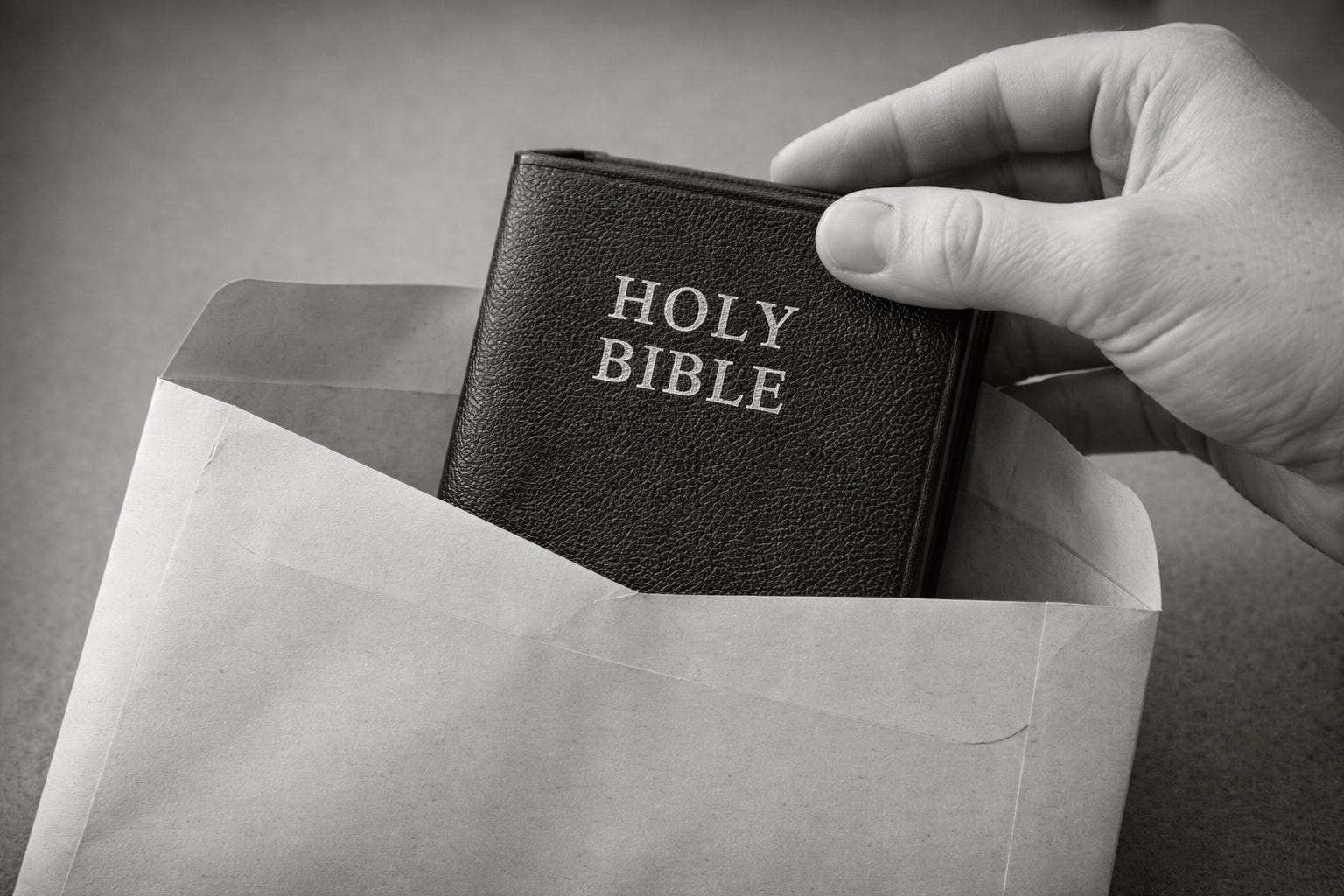
Recent events in Washington state make that clear. A school district is facing a federal lawsuit after requiring elementary students to place their Bibles in sealed envelopes when they return from off-site religious classes. The classes are parent-approved, privately funded, and held during times when students have no other instruction.
However that case turns out, it exposes something important.
Public schools are not neutral. They never have been.
Every decision a school makes teaches something. Curriculum choices. Library policies. Classroom symbols. Behavioral rules. All of them reflect values. Some beliefs are supported. Others are discouraged. When families disagree, someone’s worldview loses.
I saw this firsthand during my time as a public school principal. The hardest conflicts were rarely about academics. They were about meaning, identity, and values. Schools were expected to referee cultural disputes they were never designed to resolve. Neutrality was often promised. It was never possible to deliver.
This is not a new problem.
History makes the pattern clear. Early public schools in America openly reflected Protestant beliefs, including daily prayer and Bible reading as part of the school day. That approach aligned with the cultural majority. Catholic families objected and created their own schools to preserve their beliefs.
When those families sought access to public funding, lawmakers responded by trying to block it. In the late 1800s, Senator James Blaine proposed a constitutional amendment to prohibit public funds from going to religious schools. Although the federal amendment failed, many states adopted similar language in their constitutions.
That pattern has repeated for the past century.
Americans have fought over evolution, segregation, busing, testing, and national standards. Today the battles are over gender ideology, library content, and religious expression. The topics change. The structure does not.
Public schools reflect the values of whoever holds decision-making power at the moment.
If you are waiting for neutrality, you will keep being disappointed.
If you find this article helpful, consider subscribing. I write for parents and teachers who are looking for a better education.
As a father of five, I’ve learned something obvious: no two children are the same. Even within one family, kids respond differently to the same environment. A school that works well for one child can quietly harm another.
You as the parent are the one who notices that.
Teachers change. Administrators rotate. Policies shift. You are the constant in your child’s life.
That is why your role matters.
Attacking public schools is futile.
They are going to do what they have always done.
The question you should ask is whether the school your child attends aligns with what you are trying to teach at home.
You already make value-based choices in healthcare, housing, and faith. Education deserves the same seriousness.
Charter schools, private schools, and microschools give you the freedom to choose an environment that supports your family’s values.
It replaces political fights with what we all want: choice.
Public schools are not neutral. They never have been. The sooner you accept that, the sooner you decide to choose an education that fits your child and your family.
Thank you for reading. If you enjoyed this article, I invite you to subscribe and join this community. And if you are able, become a paid subscriber. Your paid subscription helps me keep creating content like this.